Illuminating
Insights


I’ve been traveling a lot lately, and what I keep hearing from people across the industry and around the world is with all the recent breaches and security incidents impacting organizations with budgets and IT security staff much larger than their own, how can they possibly protect their organizations?
I put myself in their shoes and am emphatic. It is difficult, but we must not give up just because it seems pointless; We must continue to remain vigilant and focus on making sure the basics are in place. Patch management, secure configuration, robust internal vulnerability management are some of the items that can help increase an organization’s cyber hygiene.
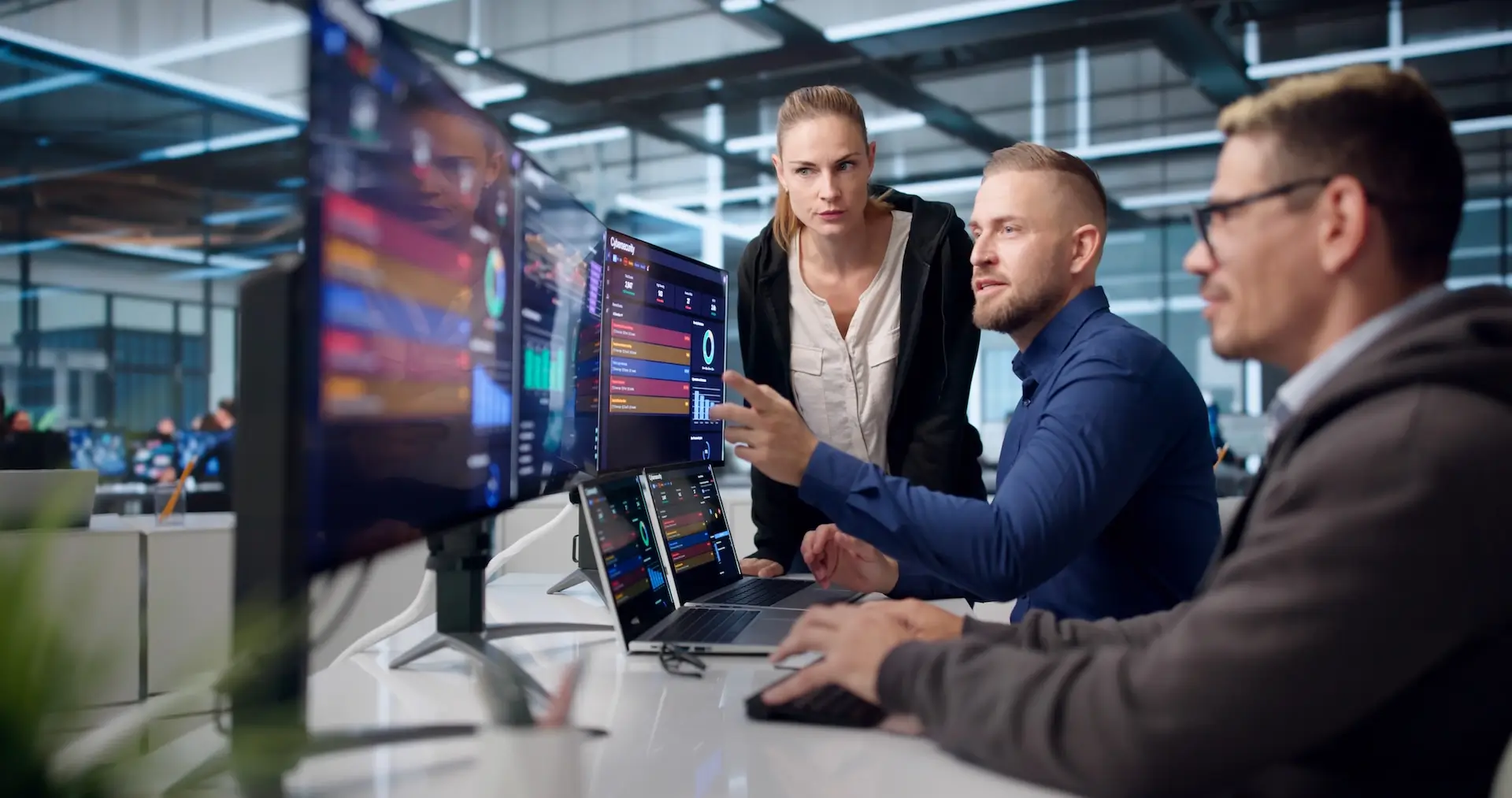
It’s interesting that that would be such a common, recurring theme, given the disparate types of people I’ve been talking with – regulators, suppliers, operators, and not just IT nerds like me – we’re talking CEO, purchasing agents, lottery directors, you name it.
Here are three common concerns I hear; 1. How do I know my vendors are secure and will not introduce vulnerabilities into my organization. 2. How can I better communicate technical vulnerabilities and risk to upper management to get the buy-in and support needed. 3. What type of security governance and information security management system do I need to better protect myself.
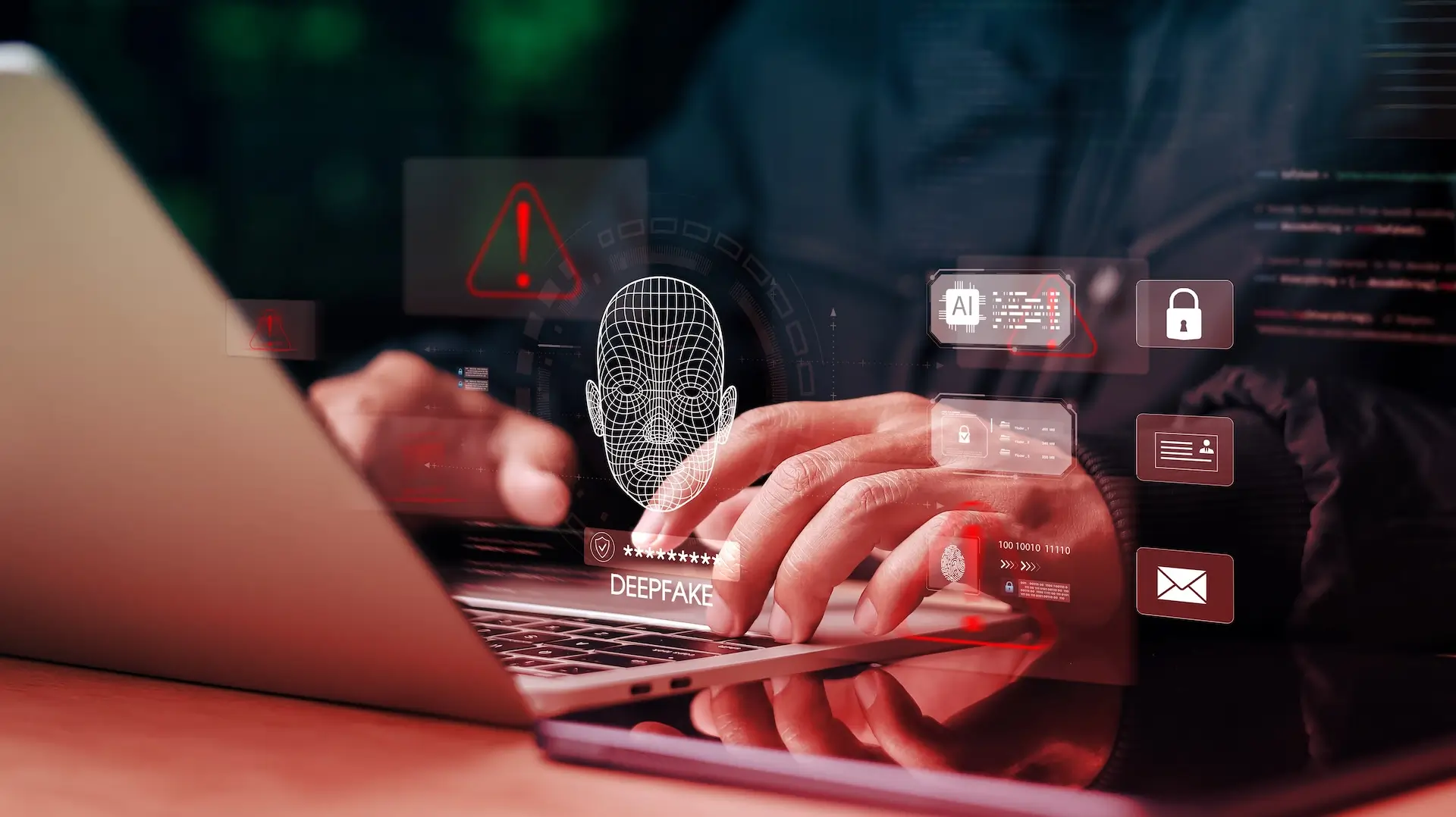
And here are two things GLI® Secure can help you with when it comes to these items. 1. In the gaming sector, utilize the GLI Vendor Security Program which is based on the Gaming Security Framework to obtain assurance over your vendor’s security controls. 2. Utilize our Governance team to help build an organizational security framework that is tailored to your company to implement the guardrails and governance needed to help limit the risk from cyber-attacks.
Global integrity for international gaming networks – that means cybersecurity must be consistent, coordinated, and trusted across every market, vendor relationship, and operational environment. It means understanding that risk does not stop at borders, and neither should the conversations, frameworks, or safeguards we use to manage it. Cybersecurity is not a one-time conversation or a checklist item; it requires ongoing collaboration, practical guidance, and a clear understanding of where risks may be hiding. No matter the size of your organization, taking proactive steps today can strengthen your resilience and help protect the trust you have built with customers, partners, and regulators. That is why the conversations happening on the road matter so much: they help turn uncertainty into shared understanding and practical next steps.
While I may be on the road a lot, me and the GLI Secure team are always a quick email or phone call away.
< Back to All Blogs